
Explore Bangladesh Culture and Traditions through history, festivals, food, customs, and heritage. Discover fascinating cultural facts and insights today.
Introduction
Bangladeshculture and traditions are among the most vibrant and fascinating in South Asia. Rooted in thousands of years of history, the cultural identity of Bangladesh reflects a unique blend of ancient customs, religious diversity, artistic expression, and strong family values.
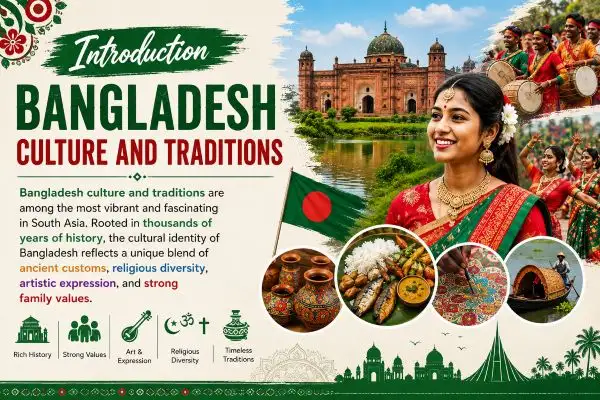
From colorful festivals and traditional clothing to delicious cuisine and folk music, every aspect of Bangladeshi life tells a story of resilience, heritage, and community.
The culture of Bangladesh has evolved through centuries of interaction between different civilizations, including Buddhist, Hindu, Muslim, and British influences. Yet despite these diverse influences, the nation has maintained a distinctive cultural character centered around the Bengali language, shared traditions, and deep respect for family and community.
Whether you are a traveler, student, researcher, or simply curious about the country, understanding Bangladesh culture and traditions provides valuable insight into the heart and soul of this remarkable nation.
In this comprehensive guide, we will explore 25 must-know facts about Bangladesh’s rich cultural heritage, customs, festivals, food, arts, and way of life.
1. Bangladesh Has a Rich Cultural History Dating Back Thousands of Years
The history of Bangladesh extends back more than two millennia. Ancient kingdoms and civilizations flourished in the Bengal region long before modern national boundaries existed.
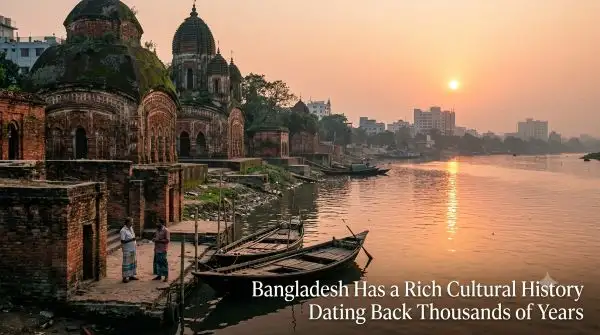
Archaeological sites throughout the country reveal evidence of advanced urban settlements, thriving trade networks, and sophisticated artistic traditions. These early civilizations laid the foundation for many customs and social practices that continue to influence Bangladeshi society today.
The country’s cultural development was shaped by various dynasties, including the Mauryas, Guptas, Palas, Senas, and later Muslim rulers. Each era contributed unique elements to the nation’s architecture, literature, religion, and artistic traditions.
2. The Bengali Language Is the Heart of National Identity
One of the most important aspects of Bangladesh culture and traditions is the Bengali language.

Bangla is spoken by the vast majority of the population and serves as a powerful symbol of national unity. The language is deeply connected to literature, music, education, and cultural celebrations.
The historic Language Movement of 1952 played a critical role in shaping modern Bangladesh. Students and activists fought to preserve their linguistic identity, making language a central pillar of national pride.
Today, Bangla remains one of the most widely spoken languages in the world and continues to inspire literature, poetry, and cultural expression.
3. Family Values Remain at the Core of Society
Family is one of the strongest institutions in Bangladesh.
Respect for parents, grandparents, and elders is deeply ingrained in daily life. Family members often support one another emotionally, financially, and socially throughout their lives.
Many households maintain close connections across generations, preserving traditions and cultural values. Family gatherings during festivals and celebrations strengthen these bonds and reinforce a sense of belonging.
Even as urbanization and modernization reshape society, family remains central to Bangladeshi culture.
4. Hospitality Is a Cherished Tradition
Visitors to Bangladesh often notice the extraordinary hospitality shown by local people.
Guests are treated with warmth, generosity, and respect. Offering food, tea, and comfortable accommodations to visitors is considered an important social responsibility.
Hospitality reflects broader cultural values emphasizing kindness, community, and mutual respect.
This welcoming attitude has helped shape Bangladesh’s reputation as one of the friendliest countries in the region.
5. Traditional Clothing Reflects Cultural Heritage
Traditional attire continues to serve as a powerful reflection of Bangladesh’s rich cultural heritage, longstanding customs, and unique national identity.
Women commonly wear sarees during festivals, weddings, and special occasions. These garments showcase beautiful craftsmanship, intricate patterns, and regional textile traditions.
Salwar kameez is also widely worn for everyday comfort and elegance.
Men often wear panjabi and pajama during religious celebrations, while the lungi remains a popular garment in many communities.
Traditional textiles continue to support local artisans and preserve centuries-old weaving techniques.
6. Rice Is the Foundation of Bangladeshi Cuisine
Food plays a significant role in Bangladesh culture and traditions.
Rice serves as the staple food and is consumed daily throughout the country. It is commonly paired with fish, vegetables, lentils, and meat dishes.
Agriculture has shaped dietary habits for generations, making rice a symbol of both sustenance and cultural identity.
The phrase “rice and fish make a Bengali” reflects the importance of these foods in everyday life.
7. Fish Holds a Special Place in National Culture
Bangladesh is known as a land of rivers, making fish an essential part of traditional cuisine.
Various freshwater fish species are prepared using unique regional recipes and cooking techniques.
Fish dishes appear at family meals, festivals, and important celebrations. They are often considered symbols of prosperity and abundance.
The country’s rich river systems have helped create one of the most diverse fish-based culinary traditions in the world.
8. Traditional Sweets Are an Important Cultural Symbol
No discussion of Bangladesh culture and traditions is complete without mentioning traditional desserts.
Traditional desserts are frequently enjoyed during cultural festivals, wedding ceremonies, religious occasions, and memorable family celebrations, reflecting Bangladesh’s rich culinary heritage and spirit of hospitality.
Many recipes use milk, rice, coconut, and sugar to create distinctive flavors and textures.
These desserts not only satisfy the palate but also symbolize celebration, generosity, and joy.
9. Festivals Bring Communities Together
Festivals are among the most colorful and exciting aspects of Bangladeshi culture.
Throughout the year, communities celebrate religious, cultural, and seasonal events with enthusiasm and unity.
These occasions often include traditional food, music, dance, colorful decorations, and family gatherings.
Festivals strengthen social bonds while preserving cultural traditions for future generations.
10. Pohela Boishakh Celebrates the Bengali New Year
Pohela Boishakh is one of the most significant cultural celebrations in Bangladesh.
Observed on the first day of the Bengali calendar, it marks a fresh beginning and is celebrated by people from all backgrounds.
Colorful processions, traditional music, cultural performances, and festive meals create a joyful atmosphere throughout the country.
The celebration highlights the enduring importance of Bengali cultural identity.
11. Folk Music Preserves Cultural Memory
Music has long served as a powerful form of storytelling in Bangladesh.
Traditional folk songs express themes of love, spirituality, nature, and everyday life. Different regions have developed unique musical styles that reflect local traditions and experiences.
Folk music continues to connect modern audiences with their cultural roots and historical heritage.
12. Literature Occupies a Special Place in Society
Bangladesh has a rich literary tradition that has influenced generations of readers and writers.
Poetry, novels, essays, and short stories have played important roles in shaping cultural identity and social awareness.
Literary works often explore themes such as freedom, humanity, love, social justice, and national pride.
Reading and literary discussion remain valued cultural activities throughout the country.
13. Traditional Arts Showcase Remarkable Creativity
Bangladesh is home to diverse artistic traditions that have been passed down through generations.
Artisans create beautiful works using clay, bamboo, wood, metal, and textiles.
These traditional crafts reflect local history, community values, and regional identities while supporting livelihoods in many rural areas.
The preservation of traditional arts remains an important cultural priority.
14. Village Life Influences National Culture
Although urban centers continue to grow, rural traditions remain deeply influential.
Village communities often preserve customs, folklore, agricultural practices, and social traditions that have existed for centuries.
Many cultural values associated with cooperation, hospitality, and community life originate from rural Bangladesh.
Understanding village culture provides valuable insight into the nation’s broader identity.
15. Weddings Are Rich in Cultural Traditions
Bangladeshi weddings are colorful celebrations filled with customs, rituals, music, and family gatherings.
Traditional ceremonies often include elaborate clothing, festive meals, decorative designs, and cultural performances.
These events strengthen family relationships and celebrate the beginning of a new chapter in life.
Wedding traditions continue to evolve while maintaining strong connections to cultural heritage.
16. Religious Diversity Has Shaped Bangladesh Culture and Traditions
One of the most fascinating aspects of Bangladesh culture and traditions is its rich religious diversity. Throughout history, people of different faiths have contributed to the nation’s cultural development.
Islam is the majority religion, but Hinduism, Buddhism, Christianity, and indigenous beliefs have also influenced Bangladeshi society. This diversity can be seen in festivals, architecture, art, music, and community traditions.
Religious harmony has helped create a unique cultural environment where people often participate in each other’s celebrations and respect different customs. This spirit of coexistence continues to be an important part of the country’s identity.
17. Traditional Architecture Reflects Centuries of Heritage
Bangladesh is home to remarkable architectural treasures that showcase its rich cultural history.
Ancient mosques, temples, monasteries, and historic buildings reveal the artistic achievements of different eras. Terracotta decorations, curved roofs, domes, and intricate carvings are common features of traditional Bengali architecture.
Many historic structures demonstrate how local builders adapted designs to the region’s climate and environment. These architectural landmarks continue to attract visitors interested in history, culture, and heritage tourism.
Traditional village homes, often built using bamboo, wood, mud, and thatch, also reflect the creativity and practical wisdom of rural communities.
18. Historic Mosques and Temples Preserve Cultural Legacy
Bangladesh possesses numerous historic religious sites that serve as symbols of the nation’s cultural heritage.
Many centuries-old mosques display remarkable craftsmanship through decorative brickwork, terracotta panels, and elegant domes. Similarly, ancient temples showcase detailed sculptures and artistic designs reflecting Bengal’s religious and cultural traditions.
These sacred places are not only centers of worship but also valuable historical monuments that help preserve the story of Bangladesh’s past.
Visitors from around the world travel to explore these architectural masterpieces and learn about the country’s diverse cultural roots.
19. Nakshi Kantha Embroidery Is a National Treasure
Among Bangladesh’s most celebrated folk arts is Nakshi Kantha embroidery.
Traditionally created by rural women, Nakshi Kantha involves stitching intricate patterns onto layers of cloth using colorful threads. The designs often depict village life, nature, folklore, animals, and cultural symbols.
Every handcrafted creation carries its own cultural narrative while showcasing the imagination, artistic talent, and exceptional craftsmanship of the artisan who made it. Over time, Nakshi Kantha has become internationally recognized as an important symbol of Bengali cultural heritage.
Today, artisans continue this tradition while adapting it for modern fashion, home décor, and artistic expression.
20. Traditional Village Games Preserve Cultural Identity
Before the rise of digital entertainment, traditional games played an important role in community life across Bangladesh.
Children and adults gathered in open fields, courtyards, and village spaces to enjoy various recreational activities that encouraged teamwork, physical fitness, and social interaction.
These games often required minimal equipment but provided endless enjoyment. They also helped strengthen community relationships and pass cultural traditions from one generation to the next.
Although modern technology has changed leisure habits, many traditional games remain popular during cultural events and local celebrations.
21. Folk Dances Celebrate Community and Tradition
Dance has long been an important form of cultural expression in Bangladesh.
Traditional folk dances are performed during festivals, weddings, seasonal celebrations, and cultural programs. These performances often reflect themes related to agriculture, nature, spirituality, and daily life.
Colorful costumes, rhythmic movements, and traditional music create vibrant displays of cultural pride and artistic creativity.
Traditional dance forms continue to flourish through educational institutions, cultural organizations, and community festivals that actively preserve and celebrate Bangladesh’s rich artistic heritage for future generations.
22. River Culture Influences Everyday Life
Bangladesh is often called the “Land of Rivers,” and these waterways have played a major role in shaping the nation’s culture and traditions.
Rivers influence transportation, agriculture, fishing, trade, folklore, music, and cuisine. Many traditional songs and stories celebrate the beauty and significance of river life.
Communities living along riverbanks have developed unique customs, occupations, and lifestyles that contribute to the country’s cultural diversity.
Even today, rivers remain closely connected to the identity and daily experiences of millions of Bangladeshis.
23. Seasonal Festivals Reflect the Agricultural Heritage
For centuries, farming has played a vital role in shaping Bangladesh’s economic growth, cultural heritage, and way of life.
As a result, many traditional celebrations are linked to seasonal changes, harvests, and rural life. These festivals express gratitude for nature’s abundance while bringing communities together through food, music, and cultural activities.
Seasonal celebrations highlight the close relationship between people and the environment, reminding future generations of the importance of agriculture in Bangladesh’s history.
These traditions continue to connect urban and rural communities to their cultural roots.
24. Modern influences are steadily merging with traditional Bangladeshi values, creating a dynamic balance between heritage and contemporary life.
Bangladesh has experienced significant social, technological, and economic changes in recent decades. Despite modernization, traditional values continue to remain strong.
Young generations increasingly combine contemporary lifestyles with cultural customs inherited from their families. Traditional clothing is often worn alongside modern fashion, while cultural festivals remain widely celebrated.
Social media, digital technology, and globalization have introduced new influences, yet Bangladesh culture and traditions continue to adapt without losing their unique character.
This balance between tradition and progress helps preserve cultural heritage while embracing innovation.
25. Cultural Heritage Remains Essential for Future Generations
Bangladesh culture and traditions will continue to thrive in the future through strong efforts to preserve, protect, and promote its rich and diverse heritage.
Educational institutions, cultural organizations, artists, historians, and local communities all play important roles in safeguarding traditional knowledge and practices.
Efforts to preserve folk music, handicrafts, historic architecture, traditional festivals, and indigenous customs help ensure that future generations remain connected to their roots.
As Bangladesh continues to grow and develop, cultural heritage will remain a source of national pride, identity, and inspiration.
Final Thoughts
Bangladesh culture and traditions are a remarkable reflection of the nation’s long history, diverse influences, and enduring values. From ancient civilizations and linguistic pride to traditional food, folk music, religious harmony, and artistic excellence, every aspect of Bangladeshi culture tells a unique story.
The country’s heritage is not limited to historical monuments or cultural celebrations. It lives in everyday interactions, family traditions, local customs, and community values that continue to shape society.
Understanding Bangladeshculture and traditions helps us appreciate the resilience, creativity, and unity that define the Bangladeshi people. As the nation moves forward in the modern world, preserving these traditions will ensure that its rich cultural legacy continues to inspire generations to come.
Frequently Asked Questions (FAQ) – Bangladesh Culture and Traditions
1. What is Bangladesh culture and traditions?
Bangladesh culture and traditions refer to the customs, beliefs, lifestyle, festivals, food, clothing, language, and heritage shaped by centuries of history and diverse influences.
2. What are the main traditions of Bangladesh?
The main traditions of Bangladesh include respect for elders, family bonding, hospitality, traditional festivals, folk music, handcrafts, and religious harmony.
3. Why is Bangladesh culture so unique?
Bangladesh culture is unique because it blends ancient Bengali heritage with Islamic, Hindu, Buddhist, and colonial influences while maintaining a strong national identity through language and traditions.
4. What is the importance of the Bengali language in culture?
The Bengali language is the heart of Bangladesh culture and traditions. It represents national identity, unity, and historical pride, especially after the Language Movement of 1952.
5. What are famous festivals in Bangladesh?
Major festivals include Pohela Boishakh (Bengali New Year), Eid-ul-Fitr, Eid-ul-Adha, Durga Puja, and various cultural and seasonal celebrations across the country.
6. What is traditional food in Bangladesh?
Traditional Bangladeshi food includes rice, fish, lentils, vegetables, and sweets like rasgulla, sandesh, and mishti doi. Food plays a fundamental role in shaping cultural identity, reflecting traditions, values, and the heritage of a community.
7. What type of clothing is traditional in Bangladesh?
Traditional clothing includes saree for women and panjabi with pajama or lungi for men. These outfits are widely worn during festivals and cultural events.
8. How important is family in Bangladeshi culture?
Family is extremely important in Bangladesh culture and traditions. Strong family bonds, respect for elders, and close community relationships are core values.
9. What are some traditional arts of Bangladesh?
Traditional arts include Nakshi Kantha embroidery, pottery, weaving, bamboo crafts, folk paintings, and handmade decorative items.
10. How is modern life affecting Bangladesh traditions?
Modern life is blending with traditional values. While urban lifestyles are changing, many cultural practices, festivals, and customs are still actively preserved.
11. What role does music play in Bangladesh culture?
Music, especially folk songs, plays a vital role in expressing emotions, storytelling, and preserving cultural heritage across generations.
12. What is the future of Bangladesh culture and traditions?
The future of Bangladesh culture and traditions depends on preserving heritage, promoting education, and passing cultural values to younger generations while adapting to modern influences.