
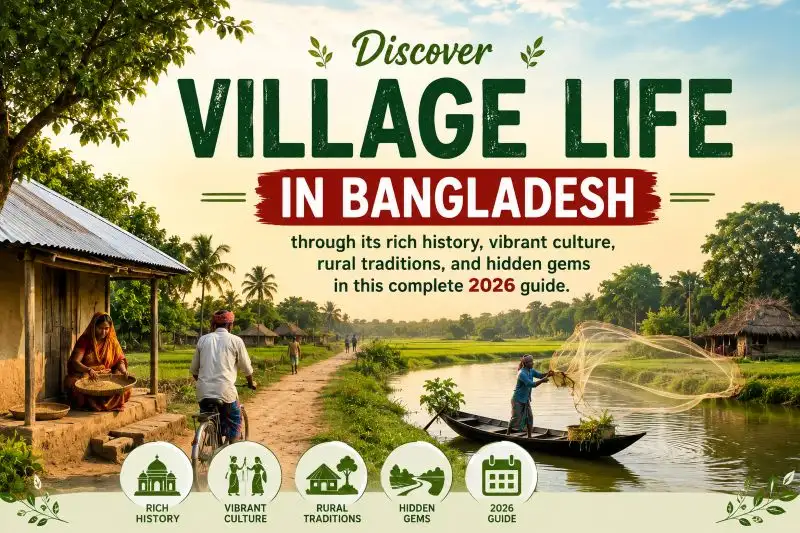
Discover Village Life in Bangladesh through its rich history, vibrant culture, rural traditions, and hidden gems in this complete 2026 guide.
Introduction
Village Life in Bangladesh is the heart and soul of the country. While modern cities continue to grow, nearly every village still preserves traditions, values, and ways of life that have been passed down for generations. From lush green rice fields and winding rivers to colorful festivals and close-knit communities, rural Bangladesh offers a unique glimpse into the nation’s cultural heritage.
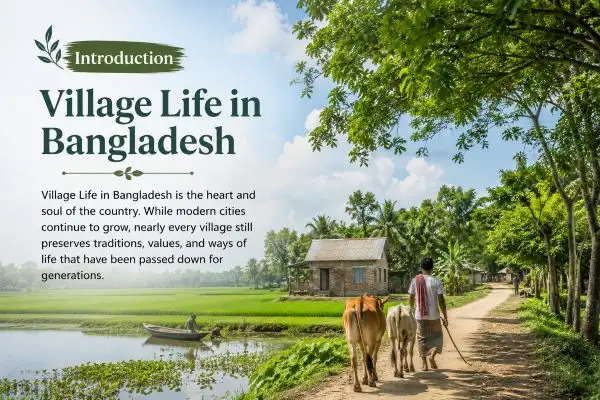
For many people, village life represents simplicity, peace, and a deep connection with nature. Farmers begin their day before sunrise, children walk to local schools, fishermen cast their nets into rivers, and families gather in the evening to share stories and meals. Although technology and infrastructure are gradually transforming rural areas, the warmth, hospitality, and traditions of Bangladeshi villages remain remarkably strong.
This guide explores 25 fascinating facts about Village Life in Bangladesh, covering its history, culture, agriculture, economy, festivals, food, education, and modern development. Whether you are a traveler, student, or simply curious about rural Bangladesh, this article will help you understand why village life continues to play such an important role in the country’s identity.
25 Amazing Village Life in Bangladesh
25 Amazing Village Life in Bangladesh showcases the timeless beauty of rural living, where lush green fields, rich traditions, warm hospitality, and close-knit communities create a peaceful way of life.
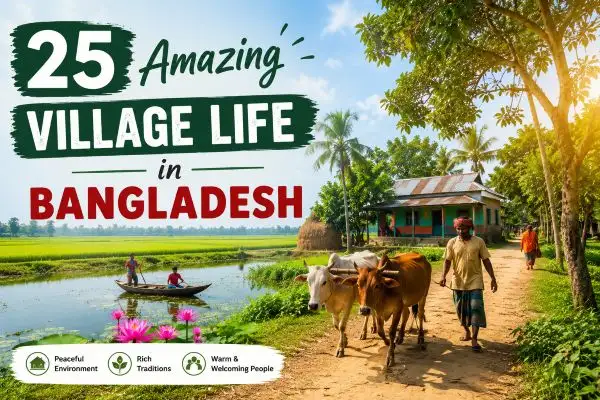
Discover how Bangladesh’s villages preserve centuries-old culture, support the nation’s agriculture, and continue to inspire visitors with their natural charm, vibrant festivals, and authentic rural experiences.
1. Villages Are the Foundation of Bangladesh
Bangladesh is widely known as the land of villages, with thousands of rural communities forming the backbone of the nation’s social, cultural, and economic life. For hundreds of years, villages have been the center of agriculture, traditional crafts, local trade, and family values, helping shape the country’s identity long before modern cities emerged.

Today, Village Life in Bangladesh continues to play a vital role by producing much of the nation’s food, preserving folk traditions, and supporting rural industries. Many people living in cities still maintain strong emotional and family connections with their ancestral villages, especially during Eid celebrations, weddings, and cultural festivals.
As rural communities embrace modern education, technology, and sustainable development, they continue to preserve the customs, hospitality, and heritage that make Village Life in Bangladesh an essential part of the country’s past, present, and future.
2. Village Life Has a Rich Historical Legacy
The history of Village Life in Bangladesh dates back thousands of years, making it one of the oldest and most enduring aspects of the country’s heritage. Early settlements were established along fertile riverbanks, where agriculture, fishing, and trade allowed communities to flourish.
Over time, the Bengal Sultanate, the Mughal Empire, and British colonial rule influenced rural architecture, farming techniques, irrigation systems, and local governance. Despite these historical changes, Bangladeshi villages have preserved their unique identity through traditional occupations, folk music, handcrafted arts, religious festivals, and strong community values.
Today, Village Life in Bangladesh continues to reflect this rich historical legacy, blending centuries-old traditions with modern development while preserving the cultural roots that define the nation’s rural heritage.
3. Rivers Shape Rural Life
Rivers are the lifeblood of Village Life in Bangladesh, shaping the country’s economy, culture, and everyday routines. With hundreds of rivers flowing across the nation, they provide fertile soil for agriculture, fresh water for irrigation, and abundant fish that support millions of rural families.
Many villages are built along rivers, canals, and wetlands, where boats remain an essential mode of transportation, especially during the monsoon season. Rivers also connect local markets, encourage trade, and sustain biodiversity, making Village Life in Bangladesh closely connected to the natural waterways that have supported rural communities for generations.
4. Agriculture Is the Lifeblood of Villages
Agriculture is the driving force behind Village Life in Bangladesh, providing food, employment, and income for millions of rural families. Farmers grow rice, jute, wheat, maize, vegetables, sugarcane, and seasonal fruits using both traditional knowledge and modern farming techniques.
The changing seasons determine planting and harvesting cycles, encouraging communities to work together throughout the year.
Today, improved irrigation, high-yield crops, and agricultural technology are increasing productivity, while generations of farming experience continue to preserve sustainable practices that make Village Life in Bangladesh a cornerstone of the nation’s economy and food security.
5. Strong Community Bonds Define Village Life
One of the greatest strengths of Village Life in Bangladesh is the deep sense of community that brings people together. Neighbors regularly support one another during harvests, weddings, religious celebrations, festivals, and times of need, creating lasting relationships built on trust and cooperation.
Children grow up surrounded by parents, grandparents, relatives, and lifelong friends, learning the values of respect, kindness, and shared responsibility from an early age.
These close-knit social connections make Village Life in Bangladesh a welcoming, peaceful, and culturally rich environment where unity and mutual support remain an important part of everyday life.
6. Traditional Homes Reflect Local Culture
Traditional homes are an important part of Village Life in Bangladesh, reflecting the country’s climate, natural resources, and cultural heritage. Many rural houses are built using bamboo, wood, clay, brick, and corrugated metal sheets, creating practical and comfortable living spaces.
Most homes feature open courtyards, ponds, fruit trees, and vegetable gardens that support daily family life and small-scale farming. These traditional house designs promote natural ventilation, sustainability, and close family interaction, making Village Life in Bangladesh a perfect example of how architecture can blend with nature, tradition, and everyday rural living.
7. Festivals Bring Villages to Life
Festivals are among the most colorful and joyful aspects of Village Life in Bangladesh, bringing families and communities together throughout the year. Religious celebrations, harvest festivals, village fairs, and cultural events are filled with traditional music, folk dances, homemade foods, and local crafts that reflect the country’s rich heritage.
These gatherings strengthen friendships, promote unity, and pass cultural traditions from one generation to the next. By celebrating these special occasions, Village Life in Bangladesh continues to preserve its unique identity while creating unforgettable memories for both residents and visitors.
8. Traditional Food Is Fresh and Flavorful
Traditional cuisine is one of the most delightful parts of Village Life in Bangladesh, offering fresh, healthy, and flavorful meals prepared with locally grown ingredients. Rice is the staple food, served with fresh fish, lentils, seasonal vegetables, leafy greens, homemade curries, and tropical fruits harvested from nearby fields and gardens.
Dairy products, date palm molasses, and traditional sweets add unique flavors to rural meals. Family recipes passed down through generations preserve authentic cooking methods, making Village Life in Bangladesh a wonderful destination for anyone who wants to experience genuine Bangladeshi food and culinary traditions.
9. Fishing Sustains Countless Rural Families
Fishing is a vital part of Village Life in Bangladesh, providing food, employment, and financial security for countless rural families. Rivers, canals, ponds, wetlands, and floodplains are rich in freshwater fish, making fishing one of the country’s oldest occupations. Popular species such as hilsa, rohu, catla, and pangas are widely enjoyed and sold in local markets.
In addition to traditional fishing, many villagers practice sustainable fish farming, which boosts household incomes and supports the rural economy. This thriving fishing culture remains an essential pillar of Village Life in Bangladesh and its food security.
10. Weekly Village Markets Support Local Businesses
Weekly village markets, commonly known as haats, are a vibrant part of Village Life in Bangladesh and play a key role in the rural economy. These lively marketplaces bring together farmers, fishermen, artisans, weavers, and small business owners to sell fresh produce, fish, livestock, handmade crafts, clothing, and everyday household goods.
Beyond supporting local trade and family incomes, haats also serve as important social gathering places where neighbors meet, exchange ideas, and strengthen community relationships. These traditional markets continue to preserve the economic and cultural spirit of Village Life in Bangladesh.
11. Handicrafts Preserve Traditional Skills
Traditional handicrafts are an important part of Village Life in Bangladesh, showcasing the creativity and craftsmanship of rural artisans. Skilled villagers produce bamboo baskets, cane furniture, clay pottery, handwoven textiles, fishing nets, and decorative items using techniques passed down through generations.
These handmade products preserve Bangladesh’s rich cultural heritage while providing sustainable income for many rural families. As demand for eco-friendly and handcrafted goods continues to grow, these traditional crafts help strengthen local economies and keep the artistic traditions of Village Life in Bangladesh alive for future generations.
12. Education Continues to Improve
Education is playing a transformative role in Village Life in Bangladesh, creating new opportunities for children and young adults.
Today, most rural communities have access to primary schools, while many students continue their studies in nearby towns and cities. Government initiatives, scholarship programs, improved school facilities, and digital learning resources have helped raise literacy rates and increase school enrollment.
As education continues to expand, Village Life in Bangladesh is becoming more prosperous, empowering future generations with the knowledge and skills needed for sustainable development and long-term economic growth.
13. Healthcare Is Becoming More Accessible
Healthcare services have steadily improved in Village Life in Bangladesh, enhancing the well-being of rural communities. Community clinics, union health centers, vaccination programs, maternal and child healthcare, and mobile medical services have made essential treatment more accessible than ever before. Improved roads and transportation also help villagers reach hospitals and specialized care when needed.
Although some remote areas still face healthcare challenges, continued government initiatives and public awareness programs are improving health outcomes, making Village Life in Bangladesh healthier, safer, and better prepared for future generations.
14. Family Values Remain Strong
Family is the heart of Village Life in Bangladesh, where love, respect, and mutual support shape everyday living. In many rural communities, several generations live close together, sharing responsibilities, celebrating important occasions, and helping one another during difficult times. Children grow up learning respect for elders, kindness toward neighbors, and the importance of hospitality.
These strong family bonds create a safe and supportive environment that preserves traditional values while strengthening community unity, making Village Life in Bangladesh a lasting symbol of cultural heritage and social harmony.
15. Folk Music Keeps Cultural Heritage Alive
Folk music is a treasured part of Village Life in Bangladesh, preserving the country’s rich cultural heritage through meaningful songs and traditional performances. Popular genres such as Baul, Bhawaiya, Bhatiali, Jari, Sari, and Murshidi express stories of love, spirituality, nature, history, and everyday rural life.
These timeless musical traditions are performed during village festivals, fairs, and family gatherings, bringing communities together while inspiring younger generations to value their cultural roots. Folk music continues to make Village Life in Bangladesh vibrant, authentic, and culturally unique.
16. Nature Surrounds Every Village
One of the greatest attractions of rural Bangladesh is its breathtaking natural beauty. Endless green paddy fields, winding rivers, flowering mustard fields, bamboo groves, mango orchards, coconut trees, and peaceful ponds create stunning landscapes throughout the year. Every season transforms the countryside with new colors and scenery.
17. Village Festivals Celebrate Unity
Religious festivals such as Eid-ul-Fitr, Eid-ul-Adha, Durga Puja, Buddha Purnima, and Christmas are celebrated with enthusiasm across villages. Seasonal harvest festivals, traditional fairs, and cultural events also bring communities together through music, sports, delicious food, and joyful gatherings.
18. Traditional Games Are Still Popular
Although smartphones and digital entertainment are becoming more common, many villages continue to enjoy traditional games such as Kabaddi, Ha-du-du, Kanamachi, Gollachut, Dariabandha, and Nouka Baich (boat racing). These activities encourage teamwork, physical fitness, and community participation.
19. Rural Tourism Is Growing
Village tourism has become increasingly popular among travelers seeking authentic cultural experiences. Visitors enjoy exploring traditional homes, tasting homemade food, riding boats through rivers, participating in farming activities, and experiencing the peaceful atmosphere that defines rural Bangladesh.
20. Technology Is Transforming Rural Life
Internet access, smartphones, solar energy, digital banking, and improved transportation have significantly changed Village Life in Bangladesh. Farmers can now access weather forecasts, market prices, and agricultural advice online, while students benefit from digital education resources.
21. Women Play a Vital Role
Women contribute greatly to village development through farming, livestock care, handicrafts, education, entrepreneurship, and household management. Many rural women now participate in small businesses, self-help groups, and microfinance programs that strengthen family incomes and community development.
22. Environmental Conservation Matters
Villagers increasingly recognize the importance of protecting rivers, forests, wetlands, and agricultural land. Tree planting, sustainable farming, rainwater conservation, and responsible fishing practices help preserve natural resources for future generations.
23. Rural Challenges Still Exist
Despite remarkable progress, some villages continue to face challenges such as seasonal flooding, river erosion, climate change, unemployment, healthcare limitations, and infrastructure development. Continued investment in education, transportation, and sustainable agriculture remains essential for balanced rural growth.
24. Village Hospitality Is Truly Memorable
Hospitality is one of the defining qualities of Village Life in Bangladesh. Guests are warmly welcomed with homemade meals, fresh fruits, tea, and genuine kindness. This welcoming spirit reflects the generosity and close-knit relationships that characterize rural communities throughout the country.
25. Village Life Continues to Shape Bangladesh’s Future
Village Life in Bangladesh remains deeply connected to the country’s identity, economy, and culture. As rural communities adopt modern technology while preserving traditional values, they continue to contribute to national development.
Sustainable agriculture, improved education, eco-tourism, and local entrepreneurship are creating new opportunities without losing the heritage that makes Bangladeshi villages so unique.
Conclusion
Village Life in Bangladesh is much more than beautiful green landscapes and traditional farming. It is the foundation of the country’s cultural identity, preserving centuries-old customs, rich heritage, and strong family values that continue to shape everyday life.
From fertile rice fields and winding rivers to colorful festivals, bustling local markets, and warm community relationships, every village reflects a unique story of resilience, simplicity, and harmony with nature.
As Bangladesh continues to develop, rural communities are embracing modern education, improved healthcare, digital technology, and sustainable farming practices while protecting their cultural traditions. This balance between progress and heritage makes village life an inspiring example of how communities can grow without losing their roots.
Rural tourism, local entrepreneurship, and environmentally friendly development are also creating new opportunities for future generations.
Whether you are researching Village Life in Bangladesh, planning to explore the country’s countryside, or simply interested in its traditions and rural lifestyle, these villages offer an authentic experience filled with natural beauty, genuine hospitality, and timeless values.
By preserving its cultural heritage and supporting sustainable development, Village Life in Bangladesh will continue to play a vital role in the nation’s economy, history, and identity for many years to come, making it one of the country’s greatest treasures.
Frequently Asked Questions (FAQs)
What is village life in Bangladesh?
Village Life in Bangladesh refers to the traditional rural lifestyle centered on agriculture, community relationships, cultural heritage, and a close connection with nature. It reflects the customs and daily experiences of people living outside urban areas.
Why is village life important in Bangladesh?
Villages play a vital role in food production, agriculture, cultural preservation, and the national economy. They also protect traditional customs, folk arts, and family values that define Bangladesh’s heritage.
What are the main occupations in Bangladeshi villages?
Agriculture, fishing, livestock farming, handicrafts, small businesses, and rural entrepreneurship are among the most common occupations.
What makes village life attractive?
Beautiful natural scenery, fresh food, peaceful surroundings, friendly communities, colorful festivals, and traditional lifestyles make Bangladeshi villages attractive to both residents and visitors.
How is village life changing?
Modern technology, improved roads, better schools, healthcare services, internet access, and digital banking are transforming rural communities while many traditional customs continue to thrive.